
Enhancing Classroom Furniture Environments
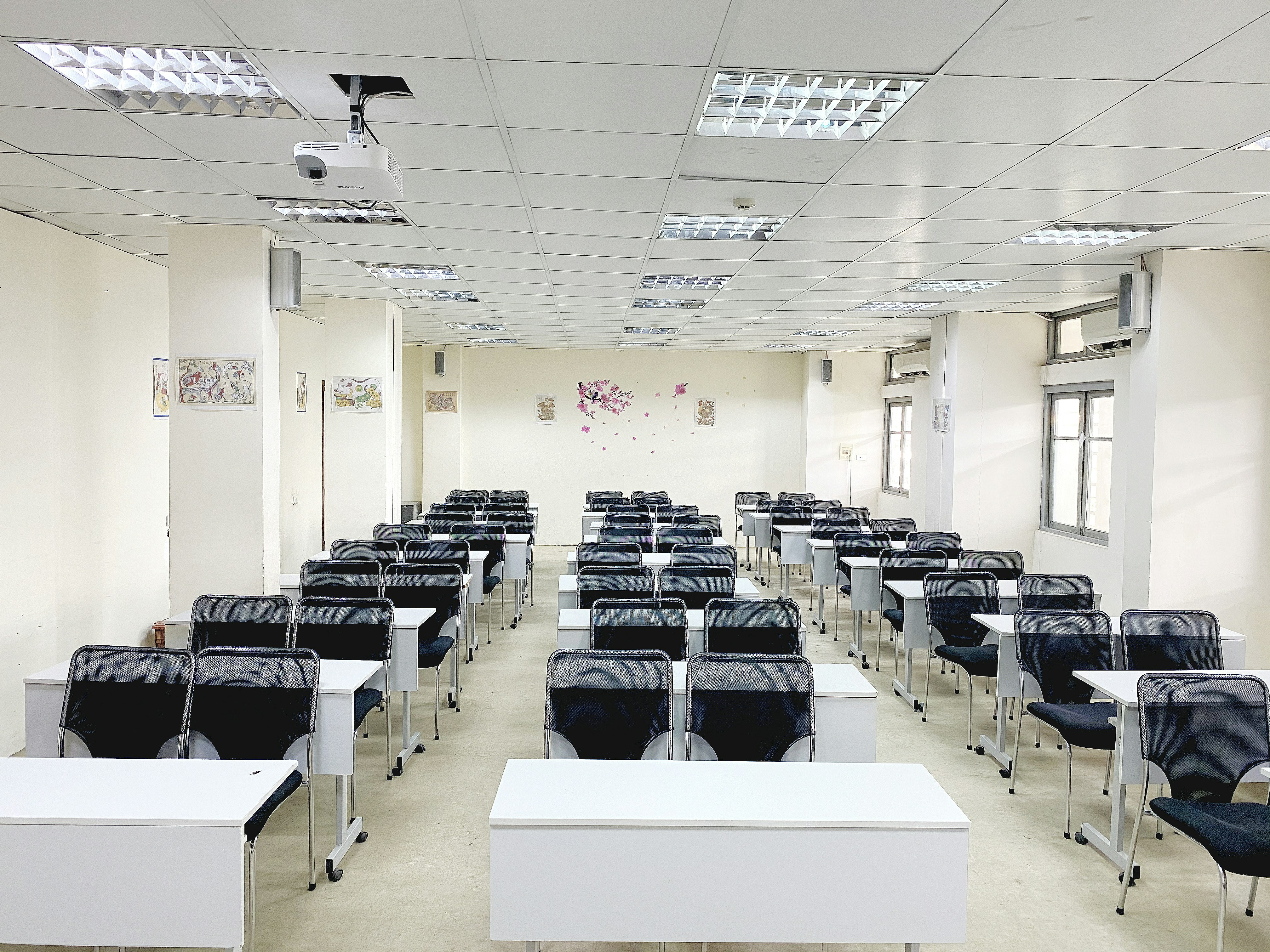
Introduction to Classroom Furniture and Learning
The role of classroom furniture in education has gained increasing attention in recent years, primarily due to its significant influence on learning experiences. Furniture design within educational environments is not merely an aesthetic consideration; it plays a crucial role in facilitating effective teaching methodologies and promoting student engagement. The evolution of classroom design can be traced back to conventional layouts, characterized by rigid rows of desks and a teacher-centric approach, to more dynamic and flexible arrangements that encourage collaboration and active participation.
Historically, classroom furniture primarily focused on functionality. Traditional desks and chairs tended to hinder interaction among students and limited the scope for varied instructional strategies. However, advances in educational psychology and design thinking have prompted a transformation in classroom settings. Contemporary research suggests that comfortable, ergonomically designed furniture can enhance students’ focus, motivation, and overall learning outcomes. Furthermore, seating arrangements can foster collaboration, creativity, and community among learners, thereby reshaping the educational experience.
This transition towards more versatile and adaptable furniture solutions reflects a broader shift in educational paradigms, where learner-centered approaches have gained prominence. Modern classrooms now incorporate a variety of furniture options such as collaborative seating, standing desks, and movable partitions that cater to diverse learning styles and needs. These configurations not only accommodate various teaching methods, such as project-based learning and group work, but they also contribute to an inviting atmosphere that can make learning more enjoyable.
In summary, the importance of classroom furniture cannot be understated. As educational institutions continue to evolve and adapt to the demands of contemporary education, the right choices in furniture design can significantly enhance the overall learning environment, paving the way for improved student outcomes and satisfaction.
The Role of Ergonomics in Student Comfort
In the realm of education, the physical environment plays a pivotal role in shaping a student’s learning experience. Ergonomics, the science of designing furniture and equipment that fits the human body, is an essential consideration in classroom settings. By prioritizing the principles of ergonomics in classroom furniture design, educators can significantly enhance student comfort, ultimately leading to improved concentration and learning outcomes.
Traditional classroom setups often overlook the importance of ergonomics, resulting in discomfort and distraction for students. For instance, poorly designed chairs and desks can lead to physical strain, hindering students from maintaining focus during lessons. On the contrary, ergonomic furniture fosters a conducive learning environment, where students can sit comfortably, support their posture effectively, and engage with their peers. Such designs take into account various factors, including adjustable height features, appropriate spacing, and adequate support for the back and arms, all of which aim to minimize discomfort and promote good posture.
Furthermore, an ergonomic classroom greatly reduces the distractions caused by physical discomfort, allowing students to dedicate their energies towards their studies and active participation in classroom discussions. When students are comfortable in their seating arrangements, they are more likely to remain attentive, engaged, and interactive during lessons. This level of engagement fosters a positive learning atmosphere, encouraging students to collaborate with their peers and participate more freely in activities.
In light of these considerations, investing in ergonomic classroom furniture emerges not just as a preference but as a necessity to enhance student comfort and learning. By doing so, educational institutions can create optimally designed environments that support effective learning and facilitate academic success while prioritizing student well-being.
Flexible Seating and Collaborative Learning
In recent years, educational institutions have increasingly recognized the importance of flexible seating arrangements in creating conducive learning environments. This trend involves the implementation of a variety of seating options, such as bean bags, standing desks, and modular furniture, which collectively aim to foster collaboration among students and enhance their teamwork and communication skills. By moving away from traditional desk-and-chair configurations, classrooms can better accommodate diverse learning styles and preferences.
Flexible seating encourages active participation, allowing students to select where and how they want to work. For instance, comfortable bean bags can create a relaxed atmosphere, permitting students to engage in discussions or group activities without the constraints of rigid seating. Moreover, standing desks promote energy and focus, reducing the fatigue associated with prolonged sitting, which is especially beneficial during collaborative projects. This adaptability aids not only in physical comfort but also in psychological readiness, making students more inclined to engage with their peers.
Additionally, implementing modular furniture enables teachers to reconfigure classroom layouts according to the task at hand. For instance, when working on group assignments, desks can be easily rearranged to form collaborative pods, encouraging communication and teamwork. Such arrangements also allow for seamless transitions between individual work and group discussions, thus cultivating an environment that prioritizes interaction. Studies have indicated that students in flexible seating environments often report higher levels of satisfaction and motivation, which in turn positively affects their academic performance.
Ultimately, the integration of flexible seating presents an opportunity to revolutionize traditional classroom dynamics, positioning students for success in both collaborative learning and individual tasks. As educational institutions continue to explore innovative furniture solutions, the potential for enhanced learning outcomes becomes increasingly evident, marking a significant shift in how education is delivered and experienced.
Technology Integration with Modern Furniture
The integration of technology in educational environments has become increasingly relevant as digital learning continues to shape teaching methodologies. Modern classroom furniture plays a vital role in this integration, as it is designed to accommodate various technological tools essential for contemporary education. For instance, desk units and tables equipped with power outlets enable students to charge their laptops and tablets easily during classes. This integration ensures that students remain engaged and connected, thereby enhancing their overall learning experience.
Furthermore, flexible furniture arrangements allow for collaborative learning, which is often powered by technology. Students can easily rearrange desks and seating to form small groups, fostering discussions supported by digital resources during project work. This adaptability not only encourages active participation but also incorporates technology into everyday learning activities, creating a seamless blend of physical and digital environments.
The presence of integrated technology in modern classroom furniture can also cultivate innovative teaching methods. Educators can utilize screens and smartboards effectively when the seating is arranged to support visibility and accessibility. This synergy enables teachers to engage students with multimedia presentations and interactive lessons, significantly enriching the curriculum while making it more relatable and enjoyable for the learners.
Moreover, these enhancements extend beyond student involvement to include teacher functionality. Instructors can easily access digital tools and resources, modifying their instructional approaches based on real-time data and student feedback. Consequently, the strategic pairing of technology with versatile classroom furniture contributes to a dynamic learning atmosphere that is conducive to academic excellence.
A well-furnished classroom that incorporates technology fosters not just educational growth but also prepares students for a tech-centric future. By bridging the gap between the digital world and traditional learning, modern furniture facilitates a more holistic educational experience that meets the needs of today’s learners.
Aesthetic Elements and Their Effects on Mood and Learning
The aesthetics of a classroom significantly influence student engagement and learning outcomes. Research indicates that the color schemes, décor, and styles of furniture can create an inviting atmosphere that enhances motivation. For example, warm colors such as oranges and yellows are known to energize students and promote creativity, while cooler colors like blues and greens encourage relaxation and focus. Therefore, selecting an appropriate color palette is essential for optimizing the educational environment.
Moreover, the choice of décor plays a crucial role in establishing a stimulating learning space. Displaying students’ work or incorporating educational posters can foster a sense of belonging and ownership among learners. Additionally, natural elements like plants not only beautify the room but also contribute to improved air quality and reduced stress levels, which are important for effective learning. When students feel connected to their environment, they are more likely to engage actively in their educational experience.
The style and arrangement of classroom furniture also impact the learning atmosphere. Flexible seating options, such as bean bags, standing desks, or collaborative tables, can facilitate various learning styles and activities. This adaptability allows students to choose their preferred seating, catering to individual comfort levels, thereby promoting their overall well-being and concentration. In contrast, traditional rigid seating may hinder movement and social interaction, ultimately affecting engagement negatively.
In summary, the aesthetic elements of a classroom, including color schemes, décor, and furniture styles, are vital for enhancing students’ moods and learning. By creating an inviting and stimulating environment, educators can significantly improve motivation and engagement levels, leading to more effective educational outcomes. As schools continue to evolve, recognizing the importance of aesthetics in classroom design becomes increasingly essential.
Storage Solutions and Organization
In a classroom environment, organization plays a pivotal role in enhancing the educational experience. Modern educational theories emphasize that a well-organized space not only caters to students’ academic needs but also fosters a conducive learning atmosphere. As schools continue to evolve, the need for innovative storage solutions within classroom furniture has gained prominence. Traditional classroom setups often suffer from disorganization, which can detract from student focus and hinder their ability to manage learning resources efficiently.
Today’s furniture designs incorporate built-in storage solutions, such as shelving, cubbies, and multi-functional desks, which are pivotal in maintaining an organized learning environment. These modern furniture pieces provide ample space for textbooks, supplies, and personal belongings, effectively reducing clutter on desks and around the classroom. When students can easily access their materials without distraction, they are better equipped to concentrate on their lessons, leading to improved academic performance.
Additionally, the integration of flexible storage options allows for a dynamic learning environment. For instance, mobile storage units enable teachers to rearrange the classroom layout based on the lesson plan or activities scheduled for the day. This adaptability not only keeps the classroom organized but also promotes collaborative learning opportunities among students. By having designated areas for group work and individual study, students can share materials and engage in projects more easily.
In summary, effective storage solutions and organization within the classroom are essential for enhancing learning outcomes. Modern classroom furniture, designed with built-in storage capabilities, supports students in managing their resources while fostering an atmosphere conducive to focused learning. The positive impacts of such design choices extend beyond mere aesthetics; they fundamentally reshape how educators conduct lessons and how students engage with their educational journeys.
Case Studies: Successful Implementation of New Furniture
Several educational institutions across the globe have recognized the transformative potential of innovative classroom furniture, leading to successful implementations that positively impact student engagement and learning outcomes. One notable case is the Maplewood Middle School in New Jersey, which recently revamped its classroom settings by introducing flexible seating options. The new arrangement allowed students to choose from various seating types, including traditional desks, bean bags, and standing desks. Teachers reported a marked increase in student participation during lessons, with many students expressing preference for a more comfortable learning environment. This flexibility not only accommodated different learning styles but also fostered a sense of ownership among students regarding their learning space.
Another compelling example can be seen at the Harmony High School in California. By replacing outdated and rigid furniture with modular tables and seating, the school witnessed a significant enhancement in collaborative learning activities. The design of the new furniture encouraged students to reconfigure their seating arrangements for group projects, promoting teamwork and communication skills. Assessments conducted post-implementation indicated a notable rise in academic performance and overall satisfaction among students and teachers alike.
Furthermore, the Riverside Academy in Texas implemented ergonomic furniture designed to minimize discomfort during long study hours. The focus on student health and wellness led to reduced distractions in class, with fewer complaints regarding fatigue. Teachers noted that students seemed more focused and engaged during instruction, leading to an increase in the completion rate of assignments. These real-life case studies illustrate the considerable influence that updated classroom furniture can have on educational outcomes, fostering an environment conducive to active learning and improved classroom dynamics. Through the successful integration of modern furniture, these schools not only enhanced physical comfort but also transformed the entire learning experience for students.
Feedback from Educators on Furniture Changes
The integration of new classroom furniture has stirred a significant transformation in educational settings, prompting educators to provide valuable insights on its impact. Many teachers report that adaptable furniture, such as modular desks and flexible seating options, foster a more collaborative learning environment. By allowing students to rearrange their workspace, they can engage in group projects more effectively and share ideas in a common area. This shift not only supports peer interaction but also cultivates essential teamwork skills that are increasingly vital in modern education.
Furthermore, several educators highlight the ergonomic benefits of updated furniture designs. Comfortable chairs and adjustable desks aid in reducing physical strain, leading to increased concentration and prolonged focus among students. Educators have observed a decrease in behavioral issues and an improvement in overall classroom management, attributing this positive shift largely to how physical comfort enhances student engagement. The notion that equitable access to functional furniture leads to a more inclusive classroom is echoed by a number of teachers, as they note that students who require additional support experience heightened participation levels.
Conclusion: The Future of Classroom Furniture and Learning
In today’s rapidly evolving educational landscape, the role of classroom furniture is more significant than ever. Innovative designs and adaptable spaces not only enhance the learning experience but also promote student engagement and collaboration. As we have explored throughout this blog post, investing in quality and versatile classroom furniture can lead to improved learning outcomes by fostering an environment that supports various teaching methodologies and accommodates diverse learning styles.
The integration of ergonomic designs and adaptable layouts is reshaping traditional educational settings. Flexible furniture options, such as movable desks and collaborative seating arrangements, have been shown to facilitate active learning and encourage student participation. Furthermore, the importance of incorporating technology-friendly furniture cannot be overstated, as it allows for seamless integration of digital tools into the learning process, catering to the needs of today’s tech-savvy students.
Moreover, classroom furniture designed with environmental considerations can contribute to creating sustainable learning environments. Utilizing eco-friendly materials not only aligns with educational institutions’ goals to promote awareness of environmental issues but also contributes to a healthier atmosphere for students and educators alike. As schools continue to embrace these progressive changes, the potential for enhanced learning outcomes becomes increasingly evident.
As we look to the future of classroom furniture and learning, it is clear that ongoing exploration and adaptation will be essential. Stakeholders in the education sector, including administrators, educators, and designers, must remain proactive in evaluating the latest advancements in classroom design. By prioritizing innovative furniture solutions, we can create effective learning environments that empower students to thrive, ultimately leading to greater success in their educational journeys.